
Cybersecurity in the Age of AI: What Every Business Should Know in 2026


Cybersecurity in the Age of AI: What Every Business Should Know in 2026
Artificial Intelligence (AI) is transforming the way organizations operate by improving efficiency, automating routine tasks, and enhancing decision-making. However, the same technology is also being used by cybercriminals to develop more sophisticated and convincing attacks. As AI continues to evolve, organizations must strengthen their cybersecurity strategies to protect sensitive information, maintain customer trust, and ensure business continuity.
Cybersecurity is no longer just an IT concern—it is a business priority. Every organization, regardless of size or industry, is vulnerable to cyber threats that can result in financial losses, operational disruptions, regulatory penalties, and reputational damage. The rapid adoption of cloud computing, remote work, and AI-powered tools has expanded the digital landscape, creating new opportunities for attackers to exploit vulnerabilities.
One of the most significant cybersecurity trends in 2026 is the rise of AI-powered phishing attacks. Unlike traditional phishing emails, which often contained obvious spelling or grammatical mistakes, AI-generated messages are highly personalized, professionally written, and capable of closely mimicking legitimate communications. Attackers can even impersonate executives or trusted business partners, making it increasingly difficult for employees to distinguish between genuine and malicious messages. This highlights the importance of regular security awareness training, multi-factor authentication (MFA), and verification procedures for sensitive requests.
Identity has also become one of the most valuable targets for cybercriminals. Rather than focusing solely on compromising devices, attackers now seek to steal user credentials, session tokens, API keys, and other forms of digital identity that grant access to business systems. In response, many organizations are adopting a Zero Trust security model, which continuously verifies users and devices before granting access to corporate resources. This approach significantly reduces the risk of unauthorized access, even if credentials have been compromised.
Ransomware remains one of the most damaging cyber threats facing organizations today. Modern ransomware attacks often involve not only encrypting files but also stealing sensitive information before demanding payment. Criminal groups frequently threaten to publicly release stolen data if organizations refuse to pay the ransom. Maintaining secure offline backups, promptly applying software updates, and developing a well-tested incident response plan are critical steps in reducing the impact of these attacks.
Shadow AI
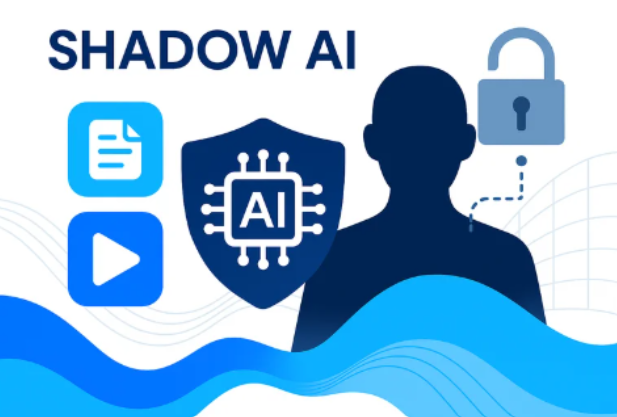
Another emerging concern is the growing use of unauthorized AI tools within the workplace, commonly referred to as "Shadow AI." Employees may unintentionally expose confidential business information by entering sensitive data into public AI applications that have not been approved by their organization's IT or security teams. To address this risk, organizations should establish clear AI governance policies, provide secure and approved AI solutions, and educate employees on the responsible use of AI technologies.
Cybersecurity professionals are also observing a shift in attack methods. Rather than relying primarily on stolen passwords, attackers are increasingly exploiting known software vulnerabilities that have not been patched. This trend reinforces the importance of maintaining an accurate inventory of technology assets, conducting regular vulnerability assessments, and deploying security updates as quickly as possible. Effective patch management remains one of the most important defenses against cyberattacks.
Building cyber resilience requires a proactive approach that combines technology, governance, and employee awareness. Organizations should strengthen identity security by implementing multi-factor authentication and modern authentication methods wherever possible. Adopting a Zero Trust strategy, investing in employee cybersecurity training, maintaining timely software updates, and regularly testing incident response plans can significantly improve an organization's ability to prevent, detect, and respond to cyber threats.
Best Practices for Organizations
As cyber threats continue to evolve, organizations must adopt a proactive and comprehensive approach to cybersecurity. Technology alone cannot prevent every attack; effective security also depends on well-defined processes, strong governance, and informed employees.
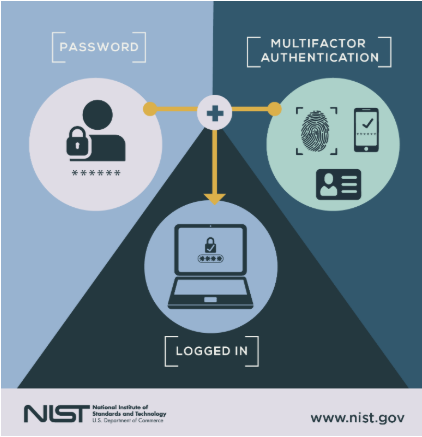
One of the most effective ways to strengthen security is by implementing Multi-Factor Authentication (MFA) across all critical systems. Requiring users to verify their identity through multiple authentication methods significantly reduces the risk of unauthorized access, even if passwords are compromised. Organizations should also regularly review user accounts and apply the principle of least privilege, ensuring employees have access only to the information and systems necessary for their roles.
Adopting a Zero Trust security model is another important step toward improving cyber resilience. Rather than automatically trusting users or devices within the corporate network, Zero Trust continuously verifies identities, device health, and access requests before granting permissions. This approach helps minimize the impact of compromised accounts and insider threats.
Employee awareness remains one of the strongest defenses against cyberattacks. Regular cybersecurity training can help employees recognize phishing emails, social engineering attempts, suspicious links, and unsafe AI practices. Building a culture of security awareness empowers every employee to play an active role in protecting the organization.
Maintaining up-to-date systems is equally important. Organizations should establish a structured vulnerability management program that includes regular security assessments, timely software patching, and continuous monitoring of critical assets. Promptly addressing known vulnerabilities reduces the opportunities for attackers to exploit weaknesses.
Finally, every organization should develop and routinely test an incident response plan. Preparing for potential cyber incidents allows teams to respond quickly, minimize business disruption, protect sensitive data, and meet regulatory reporting requirements. Regular exercises and simulations help ensure that employees understand their responsibilities and can act effectively during a real cybersecurity event.
As digital transformation continues to accelerate, cybersecurity will remain a critical component of every organization's success. While it may be impossible to eliminate every cyber risk, businesses that invest in strong security practices and foster a culture of cybersecurity awareness will be better prepared to navigate an increasingly complex threat landscape. Cyber resilience is no longer simply a technical objective—it is a strategic business advantage that helps protect people, data, and long-term organizational success.

David Closson
David Closson brings 28+ years of experience in IT architecture and infrastructure — spanning network design, hyperconverged systems, and enterprise platforms. As CIO at Dynascale Technologies he leads engineering and operations, and previously held a senior infrastructure leadership role at ICANN.
Read Next



Get in touch
_ Get a tailored estimate based on your unique infrastructure needs. Understand your costs and scale with confidence.